

Turkey Brine Recipe
 by Sommer Collier — last updated on Sep 21, 2026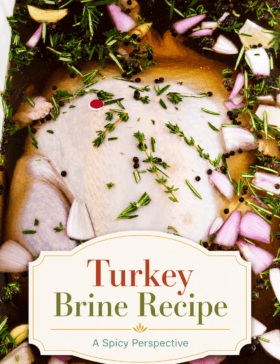
After making Thanksgiving turkey year after year, I’ve learned that a simple brine is one of my best tricks for avoiding dry, bland meat. My turkey brine recipe combines salt, sugar, and flavorful spices to help create an incredibly juicy, tender, and well-seasoned bird. It’s easy to prepare, and I’ve included my roasting method as well for a fool-proof Thanksgiving turkey from start to finish.
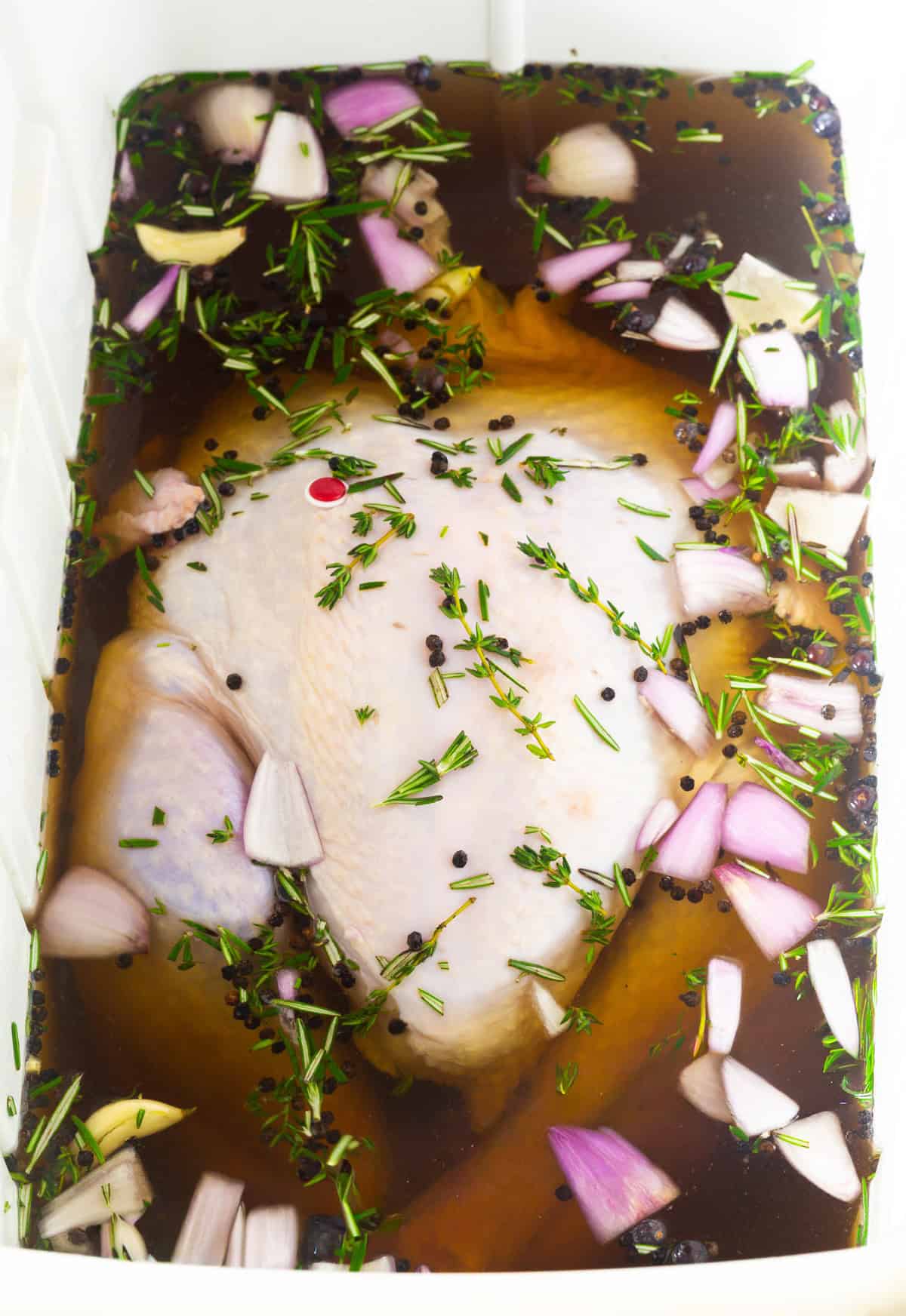
Every year around this time, I get questions about turkey brining. You ask me…
- Should I brine my Thanksgiving turkey?
- Does brining really make that much of a difference? What does it do to the turkey?
- How do you make a turkey brine?
- How long should I brine a turkey before cooking?
- What’s the easiest and cleanest way to brine a turkey?
- Does the turkey need any seasoning after brining?
- Can I take the turkey straight out of the brine and put it in the oven?
- What happens if you brine a turkey too long?
As you can see, it’s high time I wrote a post about turkey brine.
Today, I will try to answer all these questions as thoroughly as I can and offer simple roasting steps, so that this year you can serve the plumpest, most flavorful turkey you’ve ever roasted. (Or use this brine for my deep fried turkey recipe!) It’s perfect for Thanksgiving or any holiday gathering!
DC – ⭐⭐⭐⭐⭐ Love this recipe and have used it for years! I have found if you use the turkey sized oven bags and double them and seal them with small tie-wraps, you can put the turkey in the brine and keep the brine concentrated around the turkey and it keeps your cooler from smelling like brine when you’re done. Easier to keep ice on it, too.
Table of Contents

Sommer’s Recipe Highlights
Should I Brine My Thanksgiving Turkey?
In short, YES, you should always brine your turkey. It makes a huge difference in taste and texture, no matter how you season of cook it. I have heard many arguments over the years that brining isn’t worth the time and effort. Or that it doesn’t really enhance the flavor of the bird. But after roasting well over 50 80 turkeys in my lifetime, I can firmly state, brining makes all the difference.
In fact, every time I try a different method of preparing my turkey, I’m always disappointed. Always. In my opinion, a simple brined turkey, without any extra seasoning, stuffing, or glamor, is always the ultimate winner at any holiday gathering. After brining, you can roast it, fry it, or try my smoked turkey, and spatchcock turkey recipes.
What Brining Does To Turkey
Soaking poultry in brine does three things that improve the overall dining experience.
- Brining seasons the meat all the way through, not just on the surface, for the best possible flavor.
- Brining locks in moisture, plumps the poultry, and lightens the color of the meat, for the most tender juicy bite.
- The salt alters the skin quality, so it bakes to a crispy golden brown.
Pretty good results, don’t you think? I do.
What’s The Easiest Way To Brine A Turkey?
Honestly, I find brining a turkey to be a life-saver several days before Thanksgiving or Christmas. After all, refrigerator space is limited, so I want to make room for other items by moving the turkey out.
Therefore, I always brine the turkey in a cooler. I wash the cooler. Mix the brine in it. Then submerge the turkey in the brine and cover it with ice. It can stay in the cooler for several days, leaving more room in the fridge for pies and side dishes. You can even dry the turkey in the cooler, resting on ice.
When I’m done with the cooler, I simply dump the brine in the garden, spray the cooler with a disinfectant kitchen cleaner, and spray the cooler out with the hose. Simple.
If you don’t have a cooler or don’t want to use a cooler, you can use a very clean bucket or a large pot. You can also line them with XL plastic brine bags to eliminate the bucket cleanup. These will have to fit into the fridge while you are brining the turkey, though!
Key Ingredients and Tips
Brine in its simplest form is just water and salt. However, my best turkey brine recipe offers a little more flavor from sugar, herbs, and spices. You simply mix the salt with warm water so it dissolves into the water. Then add in any additional ingredients.
- Warm water – I use about a gallon of warm water as the base of the brine, adding a little more if needed to completely submerge the turkey. The water should be warm enough to dissolve the salt and sugar, but the brine needs to be completely cooled before I add the turkey.
- Brown sugar – I love adding brown sugar to balance the saltiness of the brine with a subtle sweetness. It also helps encourage that gorgeous golden-brown color on the turkey skin as it roasts.
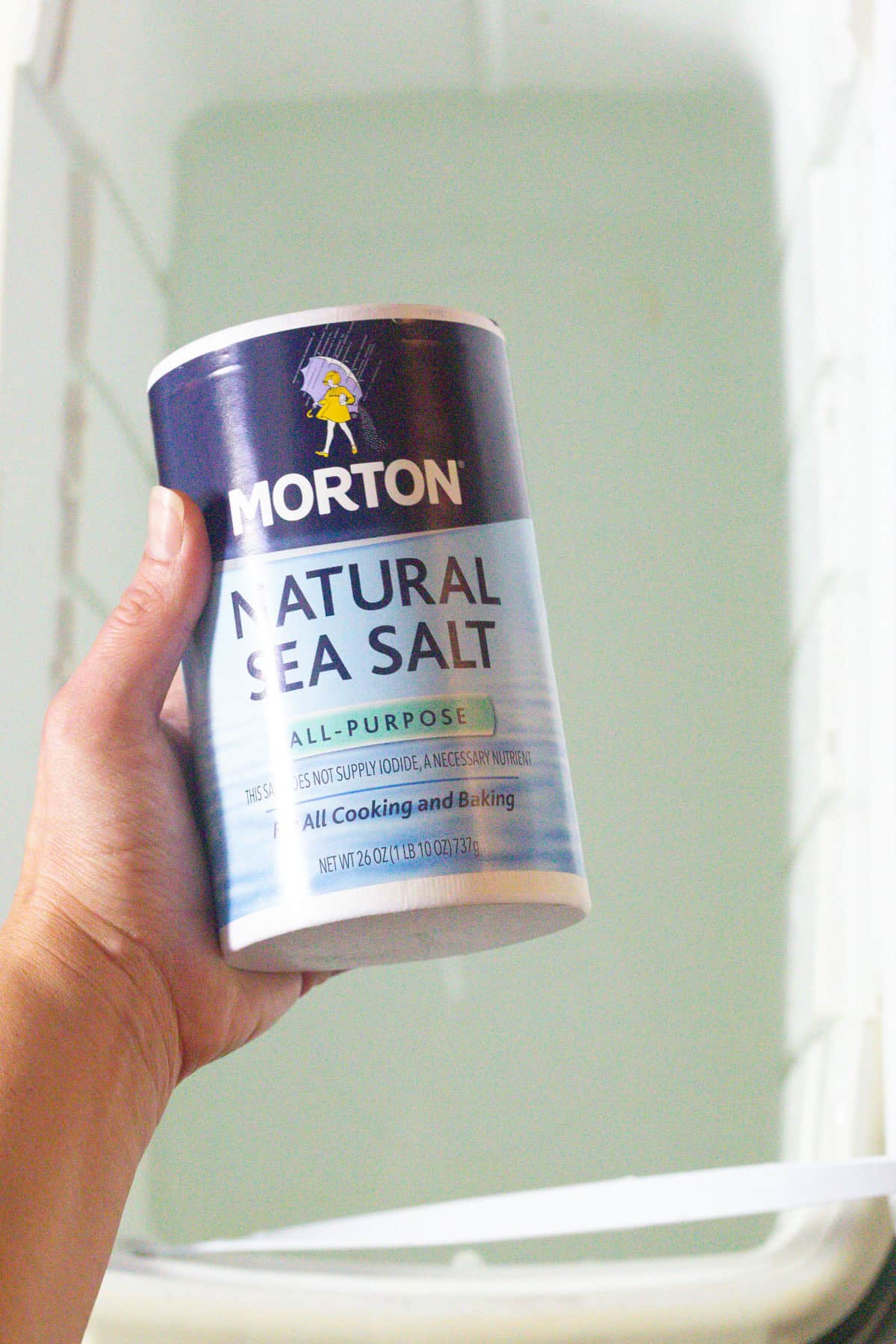
- Sea salt – Salt is the most important ingredient in any brine because it seasons the turkey throughout and helps the meat retain moisture as it cooks. I use sea salt or kosher salt, but keep in mind that different types and brands of salt can measure differently by volume.
- Shallots – I roughly chop the shallots so they can release plenty of flavor into the brine. Sweet onion is an easy substitute if that’s what I have on hand.
- Garlic cloves – I simply smash the garlic cloves rather than finely chopping them. This opens them up enough to infuse the brine with plenty of savory garlic flavor.
- Whole peppercorns – Whole peppercorns add a subtle peppery bite without making the brine overly spicy. I prefer them over ground pepper because they’re easy to strain out later.
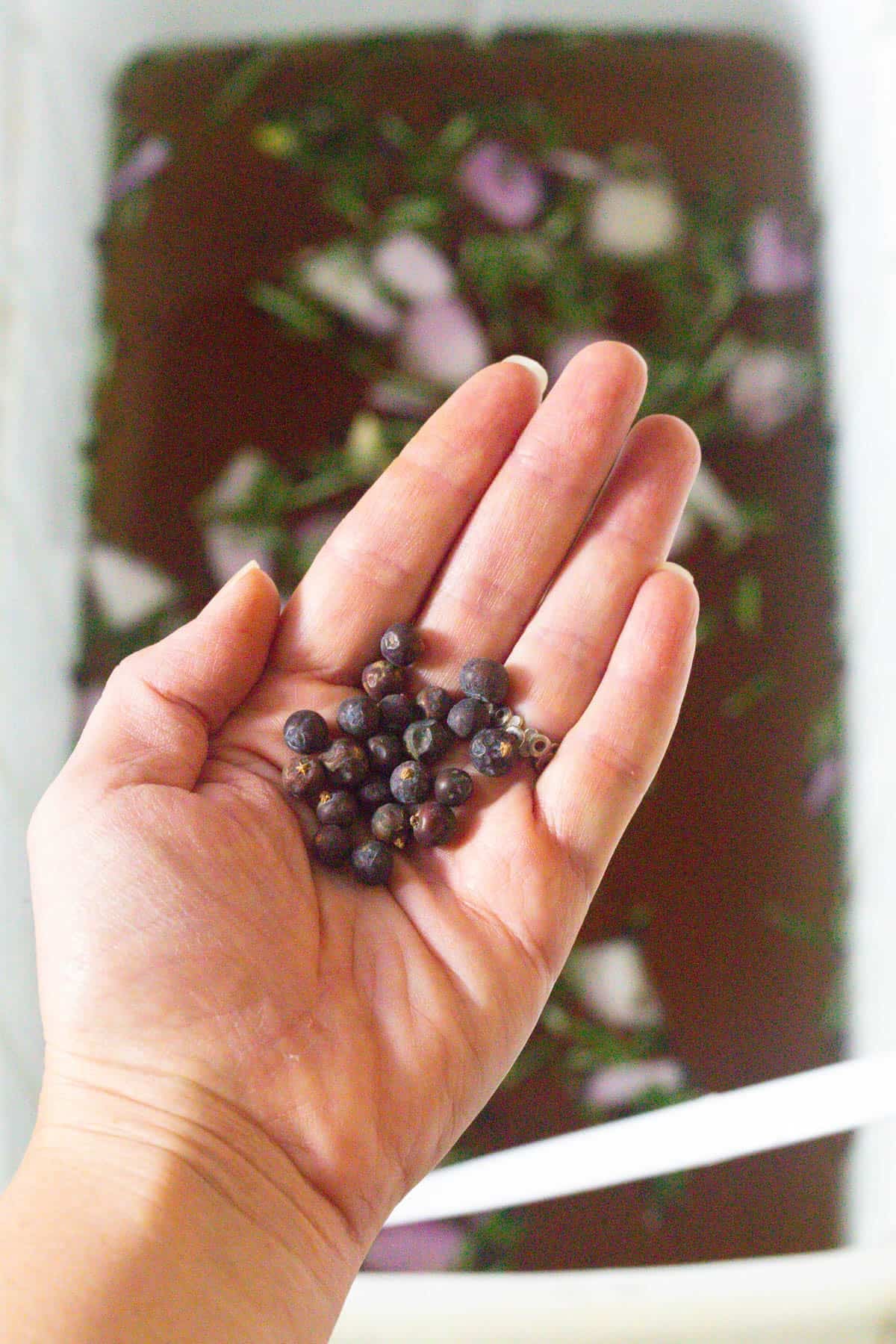
- Dried juniper berries – These are optional, but I love the woodsy, slightly citrusy flavor they add to turkey. If I can’t find juniper berries, whole allspice berries are a great alternative with a warmer spice profile.
- Fresh rosemary – Rosemary adds that wonderfully fragrant, woodsy flavor that pairs so well with roasted turkey. I roughly chop it to help release its aromatic oils into the brine.
- Fresh thyme – Fresh thyme brings a softer earthy, savory note that complements the stronger rosemary beautifully. I add it right along with the other aromatics so the turkey gets layers of herb flavor while it brines.
Oh, and don’t forget the turkey! I always make sure to thaw it (if needed) a day or so before brining.
How To Make
Find the full recipe with ingredient proportions, detailed instructions, and a video tutorial in the printable form at the bottom of the post.
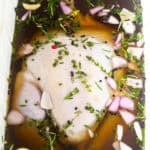
Make the brine – I pour 1 gallon of warm water into a clean food-safe bucket or cooler. Then I add the brown sugar, salt, shallots, garlic, fresh herbs, and spices and stir really well until the salt and sugar have completely dissolved. I use warm water because it makes dissolving everything much easier, but I make sure the brine is completely cold before adding the turkey.
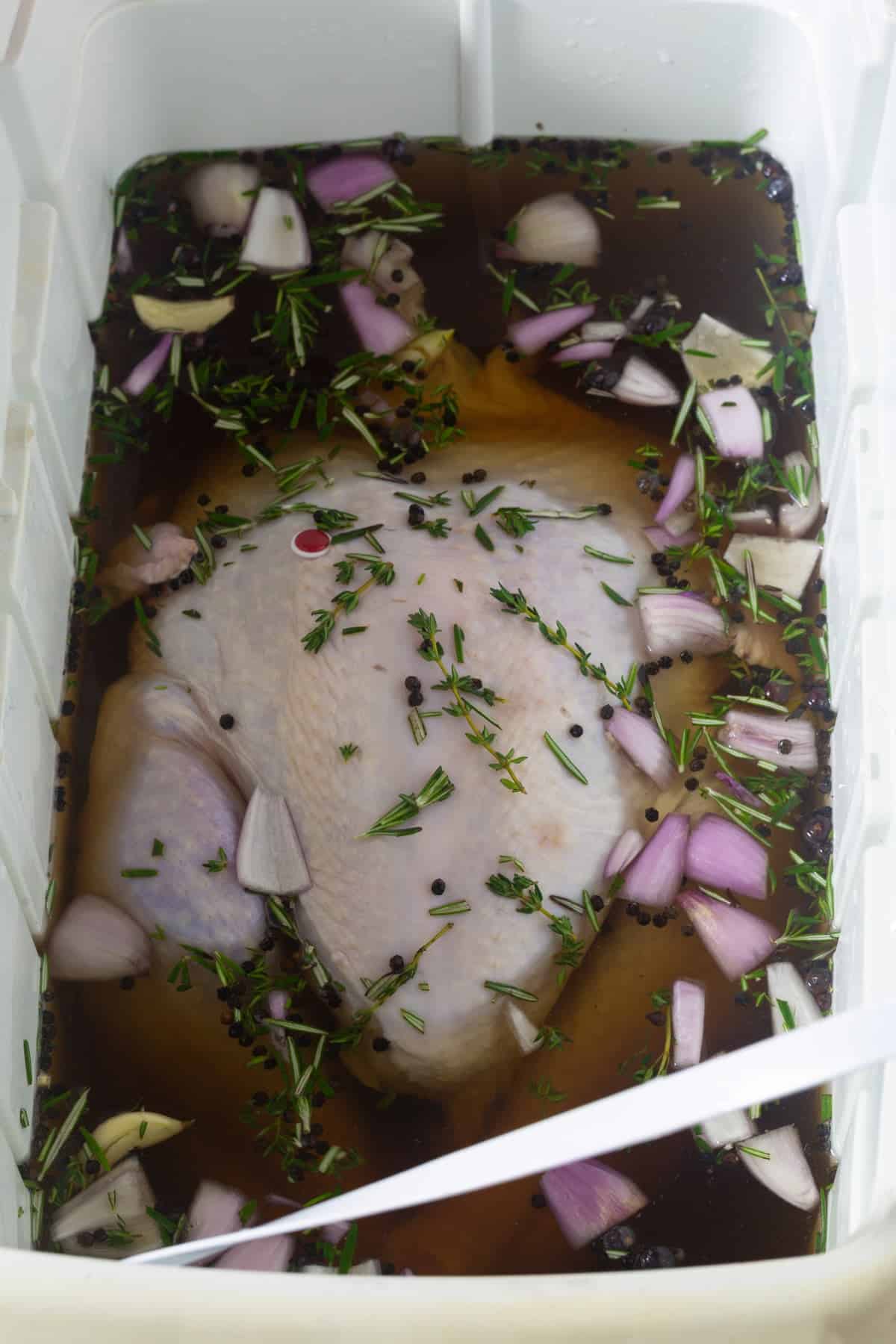
Submerge the turkey – Once the brine is cold, I carefully lower the turkey into it and add about another ½ gallon of cold water, or however much is needed to completely cover the bird. The important thing is to keep the entire turkey submerged so it brines evenly.
Keep it cold while brining – If I’m using a bucket, I cover it securely and keep it refrigerated the entire time. If I’m using a cooler, I pack it with plenty of ice and monitor it to make sure the turkey and brine stay at 40°F or colder. Food safety is especially important when you’re brining for more than a day.
Adjust the brining time – I base the brining time on the size of my turkey. For a bird that’s 15 pounds or smaller, I brine it for about 24–36 hours. For a turkey larger than 15 pounds, I may let it brine for up to 3 days. If I want to brine a smaller turkey longer, I reduce the salt to about ½-¾ cup so the meat doesn’t become overly salty.
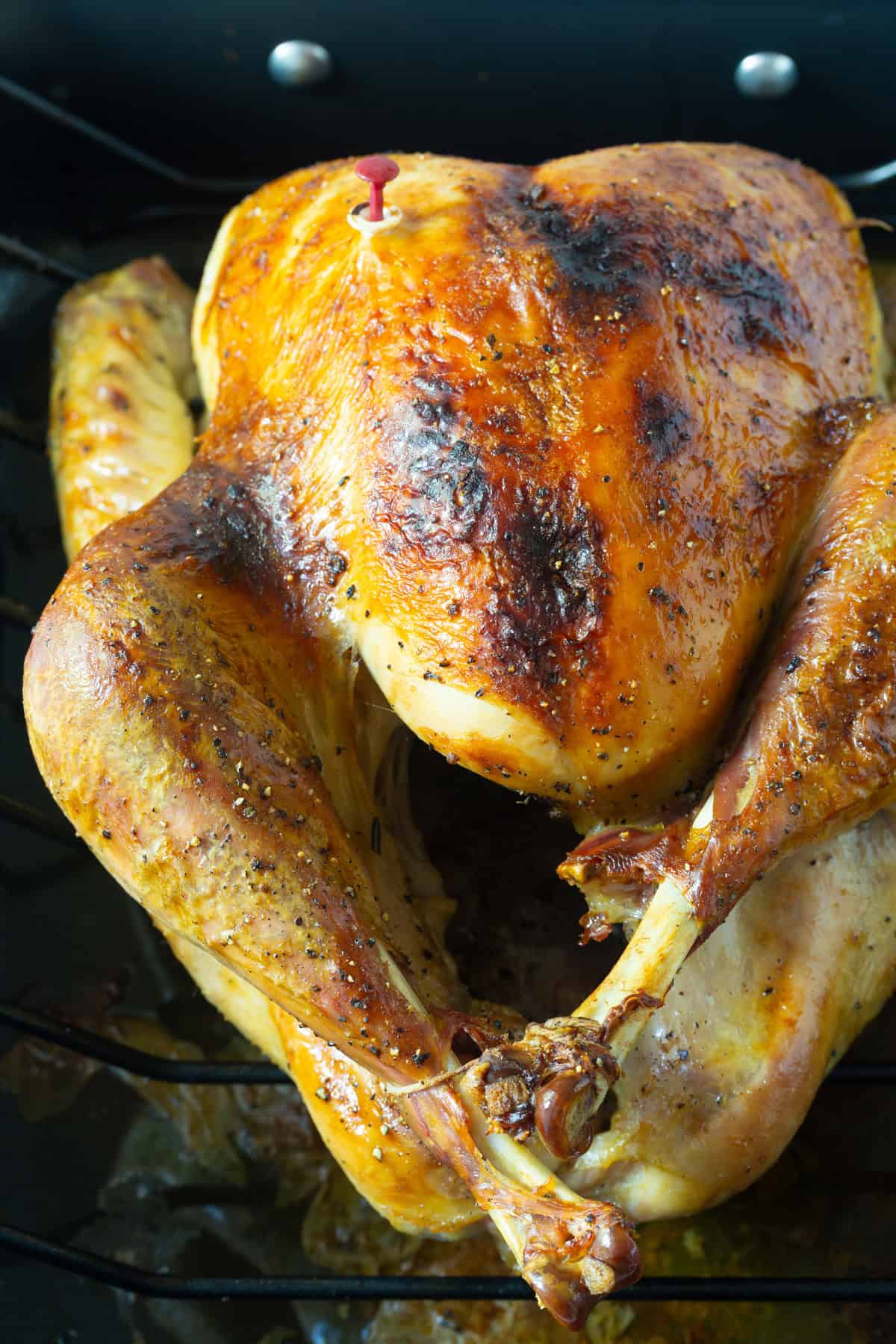
Dry the turkey really well – When I’m ready to roast, I remove the turkey from the brine and let it drain, then place it on a rack. I pat the entire bird thoroughly dry with paper towels and refrigerate it uncovered for at least a couple of hours. If I have the time, I do this overnight. This is one of my favorite turkey tricks. The drier the skin gets before roasting, the crispier and more beautifully golden it becomes.
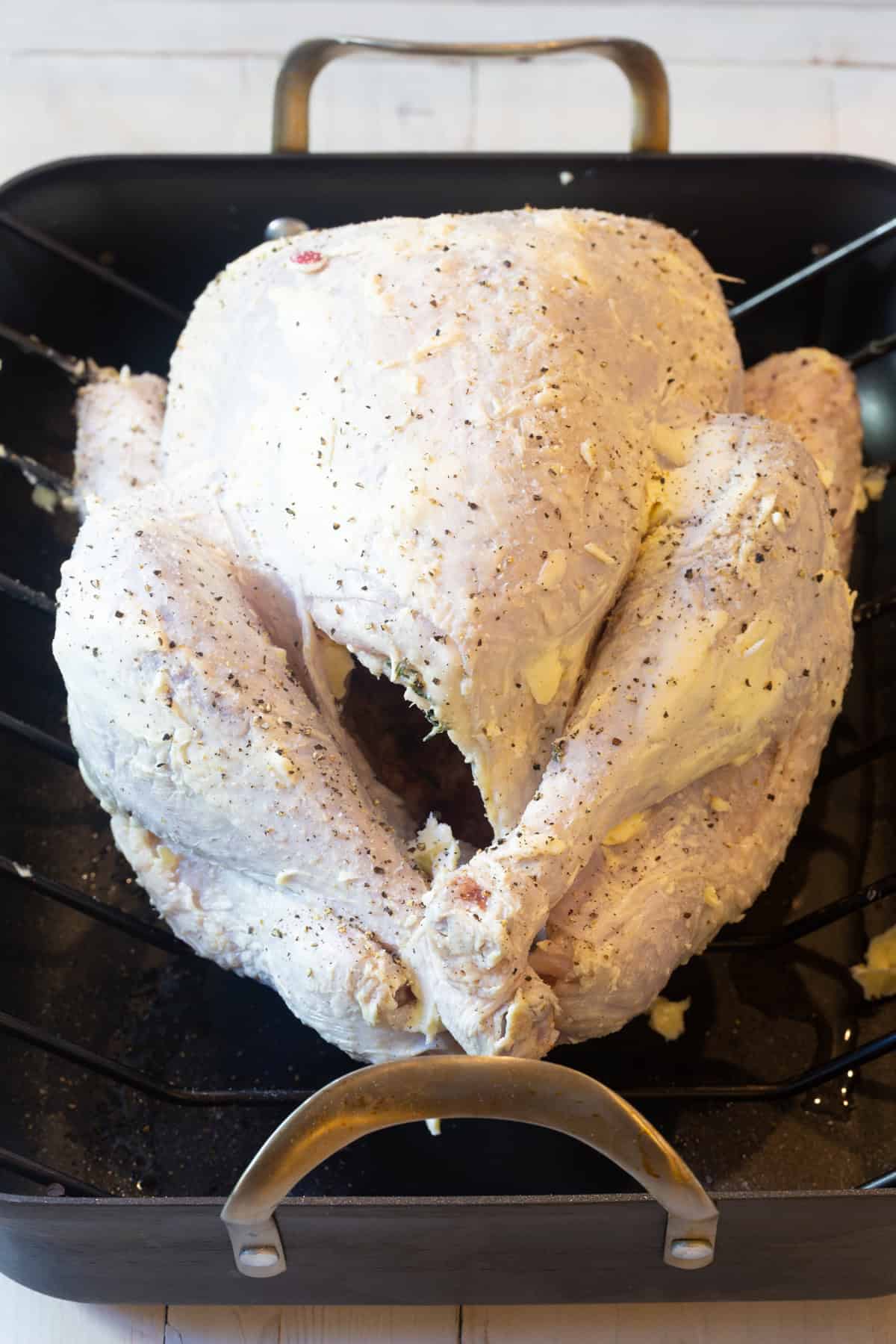
Butter the bird – Once the turkey is nice and dry, I generously rub softened butter all over the skin. Sometimes I tuck fresh herbs inside the cavity for a little extra aroma, but that’s completely optional. Since the turkey has already been seasoned through brining, I don’t add another heavy coating of salt.
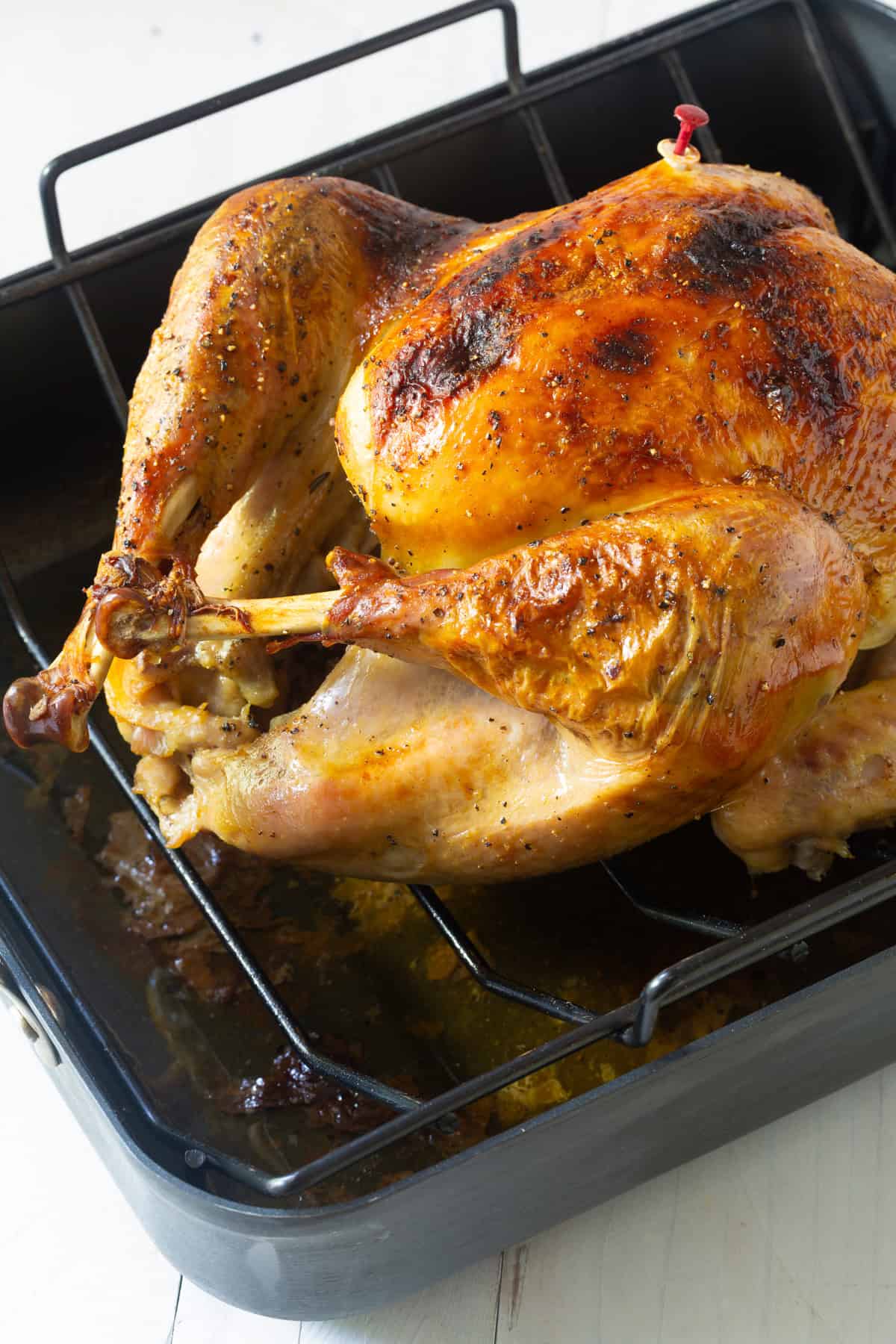
Roast the turkey – I roast the turkey at 325°F, using roughly 15 minutes per pound as a planning guide. I leave it uncovered initially so the skin can develop plenty of color, then loosely tent it with foil if it’s getting as brown as I want before the meat is finished. Rather than relying solely on the clock, I always use a meat thermometer to determine when my turkey is done. The thickest part of the breast should reach 165°F, and I also check the innermost thigh and wing area for a safe temperature.
Let it rest – Finally, I let the turkey rest for about 25 minutes before carving. Don’t rush this part! Resting gives all those flavorful juices time to redistribute throughout the meat, so they stay in the turkey instead of running all over the cutting board.
Expert Tips
- Don’t thaw a turkey on the kitchen counter! Whatever you do, don’t thaw a turkey on the kitchen counter. The turkey should always be thawed in the fridge, which can take several days. Once it is thawed, you can then brine the turkey!
- No need to rinse the Thanksgiving turkey prior to brining it! You can take the turkey directly from the packaging and into the brine, rinsing it will not do anything.
- Check the internal temperature of different parts of the turkey including into the thigh and the breast, using a meat thermometer! Poultry should be cooked to 165 F.
- Don’t skip the resting time! You absolutely have to let your turkey rest for at least 25-30 minutes before cutting into it. This will ensure the juiciest turkey!
Serving Suggestions
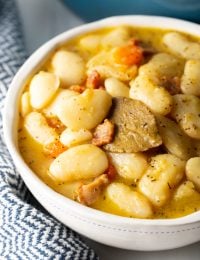
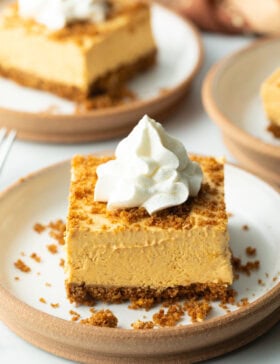
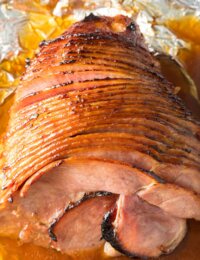
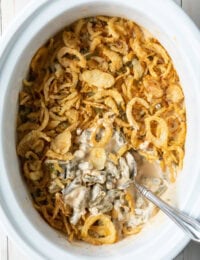
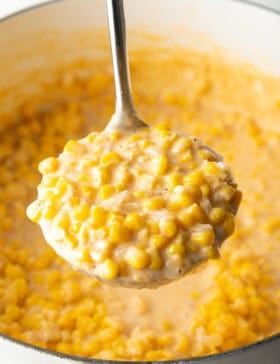
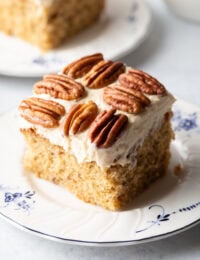
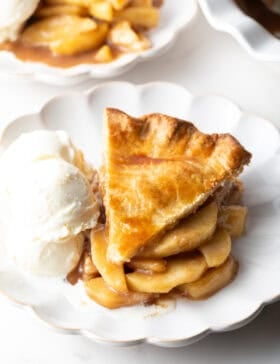
After you have roasted the turkey, you will want to serve it with all of your favorite holiday side dishes! Here are some of my absolute favorites…
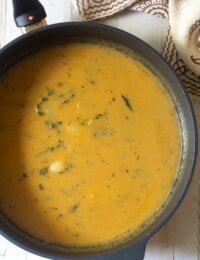
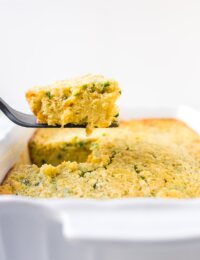



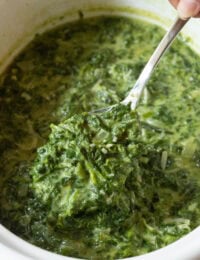
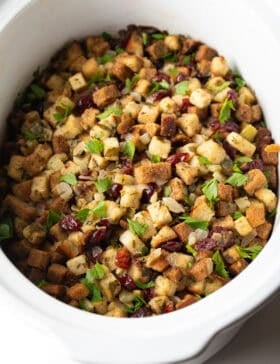







Frequently Asked Questions
This depends on the size of the turkey, and how much salt you add to the brine. The general rule is 1 cup of salt for each gallon of water. Then brine the turkey overnight. However, I find if you add a bit more water you can brine the turkey longer for a better overall bird. I like to brine a large turkey for 3 days, and I usually end up with about 2 gallons (some from the ice) of water in the brine to 1 cup of salt.
If a turkey is left in the brine too long it will absorb too much salt. Therefore, I usually make sure I add more water than traditionally recommended, so keep this from happening.
No additional seasoning is needed after brining! It’s perfectly seasoned from the skin down to the bone.
Of course! Consider adding in apple juice or apple cider, lemons, baking spices like cinnamon and nutmeg, additional fresh herbs, or even a splash of bourbon or brandy.
Technically, yes. However, for the best golden-brown crispy skin, you should allow the turkey to dry thoroughly before placing it in the oven. Then butter or oil the skin to improve the texture even more.
Not if you don’t keep the turkey in the brine too long. If you taste the turkey drippings and feel they are overly salty for turkey gravy, you can thin them out with low-sodium turkey broth, or even water.
Dry brining is a method of covering a turkey (or chicken) in a thick layer of salt, without the water. With this preparation, the salt pulls the turkey juices to the surface, fuses with them, and releases them back into the turkey. Yes, a dry brine does offer a little less clean-up than wet brining, and gives the turkey greater flavor and moisture than no brining at all. But in my humble opinion, it is still not as effective as a traditional wet brine.
Wet brines allow you to infuse much more flavor than just salt. You’re flavoring the turkey with a touch of sweetness, fragrant herbs, and spices. Plus, the liquid is able to work its way inside all the nooks and crannies of the turkey much better than a dry brine.
I’ve tried both methods, and although a dry brine is better than no brine, I would go with a wet brine every single time! You can also brine a whole chicken for amazing flavor.
What To Do with Leftover Turkey



Turkey Brine Recipe
Video
Ingredients
- 1 gallon warm water (more as needed)
- 2 cups brown sugar
- 1 cup sea salt
- 3 shallots, roughly chopped
- 6 cloves garlic, smashed
- 2 tablespoons whole peppercorns
- 2 tablespoons dried juniper berries (optional)
- 2 tablespoons fresh rosemary, roughly chopped
- 1 tablespoon fresh thyme
Instructions
- Place a gallon of warm water in a clean bucket or cooler. Add the brown sugar, salt, shallots, garlic, herbs and spices. Stir to dissolve the salt and sugar.
- Carefully submerge the turkey in the brine. Add an additional 1/2 gallon of water to make sure the brine covers the turkey entirely. (Or more water!)
- If using a bucket, cover the bucket with plastic and place in the refrigerator for 1 to 3 days. If using a cooler, filled it with ice to keep the turkey cold for up to 3 days.
- The brine time should be determined based on the size of turkey. For a turkey 15 pounds or under, brine for just 24 to 36 hours. For a turkey larger than 15 pounds, brine for up to 3 days. *If you want to brine a smaller turkey for a longer period of time, reduce the salt to 1/2-3/4 cup, so it is not overly seasoned.
- Before roasting, take the turkey out of the brine water and place on a rack for at least a couple hours. Allow the turkey skin to dry thoroughly. Use paper towels to pat it dry if needed. You can place the roasting pan in the refrigerator (or back in the cooler over ice) if you want to give the bird longer to dry. (The dryer the skin, the better it browns. Drying it overnight is best.)
- Once dry, rub the turkey skin thoroughly with butter. Sometimes I stuff the turkey with herbs, but this is not necessary.
- Roast the turkey at 325° F for 15 minutes per pound. Roast uncovered for the first couple hours, then tent with foil the last hour to make sure the breast meat doesn’t overcook. When using a meat thermometer, the breast meat should be 165° F.
- Allow the turkey for rest for at least 25 minutes before serving to allow the juices to redistribute.


if using this brine method will it affect the drippings to make dumplings with?
thank you!
P.s) never brined before!
Hi Debbie,
Yes, the drippings are a bit saltier than normal, so I would reduce the amount of salt used in the recipe.
Curious why you don’t brine in a bag. Seems like it would make cleanup of the cooler/container so much easier.
Hi Cindy,
You can brine in a bag! However, you still need to place the bag in a bucket or cooler so if it leaks or pops you don’t have an even larger mess.
I even overcooked the turkey (185 degrees) oops and it was so juicy and flavorful. This will be my brine recipe from now on. I really liked the fact that you could do it in a cooler. It worked out perfectly. I will slice the turkey and put it in my seal a meal bags. Drop in boiling water and heat through and turkey is on the table.
This is the brine recipe I used last year for Thanksgiving and I ma happy to find it again this year. It creates almost deli style meat right off the bird! I smoked my bird last year and I can say it is easily the best turkey I have ever made. I owe it all to starting with this brine.
QUESTIONS! 1st off , thanks for the great recipe. Q1- can I brine or do I need to brine a Turkey that is going to be smoked? Q2 I see where you adjust the salt for a larger bird, do I just double or triple the recipe til the gird is covered? I think he’s going to be a 30 pounder, ( I had the privilege of raising my own organic guy this year)so It’ll have to be a bigger ice chest. Q3, why can’t I stuff a brined bird? Thanks for your help
Hi Concetta, Good questions!
Q1) I would DEFINITELY brine a turkey going on the smoker. The slow dry heat can dry out the lean turkey breast so brining is a great idea.
Q2) Yes, just multiply the ingredient proportions until the whole turkey is covered in brine.
Q3) You can stuff any turkey. The reason cooking a turkey unstuffed is often suggested is because it takes longer to cook and it can be hard to get the stuffing (with ingredients like egg and meat juices) to a safe temperature without overcooking the meat. However, brining the turkey ahead of time does help keep the meat moist, even if you slightly overcook it.
Thank you for all the tips! I will always brine a turkey. It truly makes a big difference!
This was an incredible brine, it added so much flavor to the turkey, I could not get enough!! This turkey turned out perfectly juicy!
I’m planning to brine an 18lb turkey for 36 hrs. It’ll take about 2 gallons to cover it, so should I use 2 cups salt or 1 as you suggested for the larger turkey over 24hrs? Thanks!
First time brining a turkey….fingers crossed! Thanks for all the tips and hints. May you and yours have a blessed day.
I’d never brined a bird before, mostly because of a space & time issue, but this is really a good brine! I’m really happy with the way this turns out. Lots of moisture, lots of flavor, and perfect crispy skin!
I never brine turkey because I think it’s not worth the mess. Your recipe has me rethinking. I think it’s worth a try. Thank you!
this gives me more peace of mind when I think about making my first turkey this year!
Can I substitute honey for the brown sugar I am making a brine in 100 gallons of water .Iam doing 19 turkeys at once
Hi Wade,
Whoa! That is a lot of turkeys! Yes, you can substitute honey for brown sugar in the same proportion. Make sure to stop back by and let me know your turkeys came out. :)
I used this recipe and love the results and this year I am brineing 20 birds could you give me the amounts for that many